
OP220GP
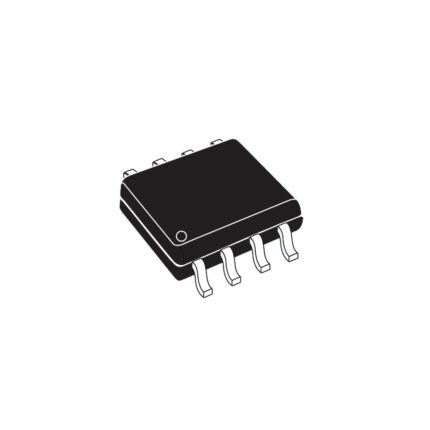
OP262G
The OP262-EP is a low power, precision op amp that features a
rail-to-rail output and a 15 MHz bandwidth. With its low offset
voltage of 45 ?V (typical) and low noise, it is well suited for
precision filter and control applications.
This product operates from a single supply as low as 2.7 V or
from dual supplies up to ?6 V. The OP262-EP is specified over
the military temperature range (?55?C to 125?C) and is available
in an 8-lead SOIC_N package.

OP27GS
The OP27 precision operational amplifier combines the low
offset and drift of the OP07 with both high speed and low noise.
Offsets down to 25 ?V and maximum drift of 0.6 ?V/?C make
the OP27 ideal for precision instrumentation applications. Low
noise, en = 3.5 nV/?Hz, at 10 Hz, a low 1/f noise corner
frequency of 2.7 Hz, and high gain (1.8 million), allow accurate
high-gain amplification of low-level signals. A gain bandwidth
product of 8 MHz and a 2.8 V/?s slew rate provide excellent
dynamic accuracy in high speed, data-acquisition systems.


OP292G
The OP292/OP492 are low cost, general-purpose dual and quad
operational amplifiers designed for single-supply applications
and are ideal for 5 V systems.
Fabricated on Analog Devices, Inc., CBCMOS process, the
OP292/OP492 series has a PNP input stage that allows the input
voltage range to include ground. A BiCMOS output stage enables
the output to swing to ground while sinking current.

OP293A



OP490GS
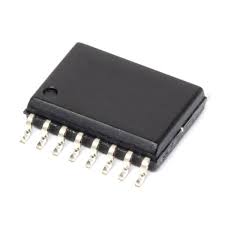
The OP490 is a high performance micropower quad op amp
that operates from a single supply of 1.6 V to 36 V or from dual
supplies of ?0.8 V to ?18 V. The input voltage range includes
the negative rail allowing the OP490 to accommodate input
signals down to ground in single-supply operation. The output
swing of the OP490 also includes ground when operating from
a single supply, enabling zero-in, zero-out operation.
The quad OP490 draws less than 20 ?A of quiescent supply
current per amplifier, but each amplifier is able to deliver over
5 mA of output current to a load. Input offset voltage is under
0.5 mV. Gain exceeds over 400,000 and CMR is better than
90 dB. A PSRR of under 5.6 ?V/V minimizes offset voltage
changes experienced in battery-powered systems.