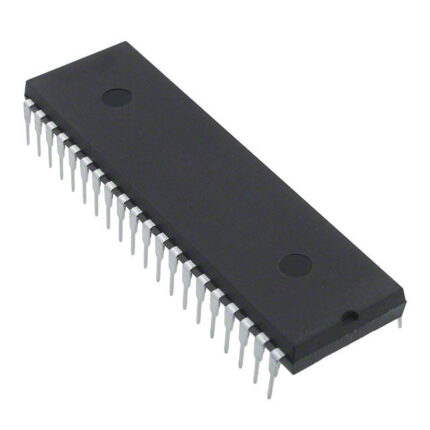


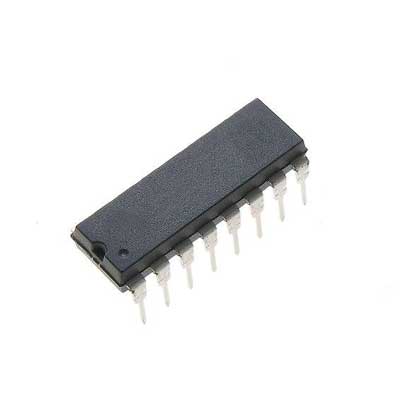

M93C56-MN6T
The M93C46 (1 Kbit), M93C56 (2 Kbit), M93C66 (4 Kbit), M93C76 (8 Kbit) and M93C86
(16 Kbit) are Electrically Erasable PROgrammable Memory (EEPROM) devices accessed
through the MICROWIRE bus protocol. The memory array can be configured either in bytes
(x8b) or in words (x16b).
The M93Cx6-W devices operate within a voltage supply range from 2.5 V to 5.5 V and the
M93Cx6-R devices operate within a voltage supply range from 1.8 V to 5.5 V. All these
devices operate with a clock frequency of 2 MHz (or less), over an ambient temperature
range of -40 ?C / 85 ?C.

M93S66-WMN6TP

MAX1488ECPD
The MAX1488E quad, low-power line driver is designed
for EIA/TIA-232, EIA/TIA-562, and CCITT V.28 communications in harsh environments. Each transmitter output is
protected against ?15kV electrostatic discharge (ESD)
shocks. The inputs are TTL and CMOS compatible with
minimal loading. The outputs feature internally controlled
slew-rate limiting and current limiting. This device has a
guaranteed 120kbps data rate. Power-supply current is
less than 180?A over a ?4.5V to ?13.2V supply voltage
range.
The MAX1488E is pin compatible with the MC1488,
MC14C88, SN75188, SN75C188, DS1488, and DS14C88.
It is available in 14-pin plastic DIP and SO packages.

MAX1489ECPD
The MAX1489E quad, low-power line receiver is
designed for EIA/TIA-232, EIA/TIA-562, and CCITT V.28
communications in harsh environments. Each receiver
input is protected against ?15kV electrostatic discharge (ESD) shocks. These inputs have a ?25V range
and feature hysteresis and time-domain filtering. The
outputs are TTL and CMOS compatible. The MAX1489E
has a 120kbps guaranteed data rate. Supply current is
typically 350?A.
The MAX1489E is pin compatible with the MC1489,
MC14C89, SN75189, SN75C189, DS1489, and
DS14C89. It is available in 14-pin plastic DIP and SO
packages
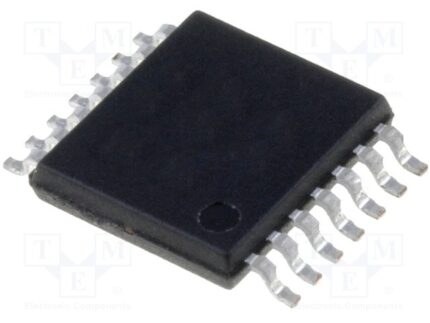
MAX153CAP
The MAX153 high-speed, microprocessor (?P)-compatible,
8-bit analog-to-digital converter (ADC) uses a half-flash
technique to achieve a 660ns conversion time, and digitizes at a rate of 1M samples per second (Msps). It operates
with single 5V or dual ?5V supplies and accepts either
unipolar or bipolar inputs. A POWERDN (power-down)
pin reduces current consumption to a typical value of 1?A
(with 5V supply). The part returns from power-down to
normal operating mode in less than 200ns, providing large
reductions in supply current in applications with burstmode input signals.

MAX153CWP
The MAX153 high-speed, microprocessor (?P)-compatible,
8-bit analog-to-digital converter (ADC) uses a half-flash
technique to achieve a 660ns conversion time, and digitizes at a rate of 1M samples per second (Msps). It operates
with single 5V or dual ?5V supplies and accepts either
unipolar or bipolar inputs. A POWERDN (power-down)
pin reduces current consumption to a typical value of 1?A
(with 5V supply). The part returns from power-down to
normal operating mode in less than 200ns, providing large
reductions in supply current in applications with burstmode input signals.
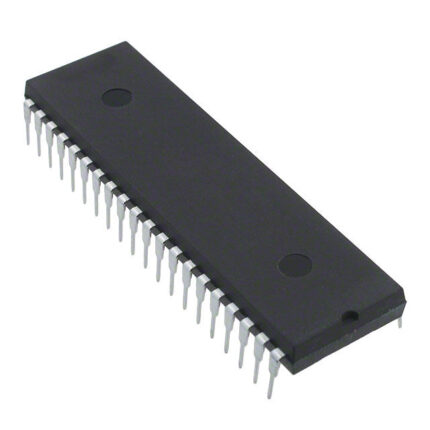
MAX164CCNG
The DS1683 is an integrated elapsed-time recorder containing a factory-calibrated, low-temperature-coefficient
RC time base that eliminates the need for an external
crystal. Using EEPROM technology to maintain data in
the absence of power, the DS1683 requires no backup
power source. The DS1683 detects and records the number of falling edge transitions on the EVENT pin as well
as the total cumulative time that the EVENT pin is held
high. The ALARM pin alerts the user when the total time
accumulated equals or exceeds the user-programmed
alarm value, or when the total number of events equals
or exceeds the user-programmed alarm value. The polarity of the open-drain ALARM pin can be programmed
to either drive low or become high impedance upon an
alarm condition. The DS1683 is ideal for applications that
monitor the total amount of time that a device has been
in operation and/or the number of uses since inception
service, repair, or last calibration.